Prompt library26 promptsColor3 min read

Film looks

Prompt library · from the ReelMe composer

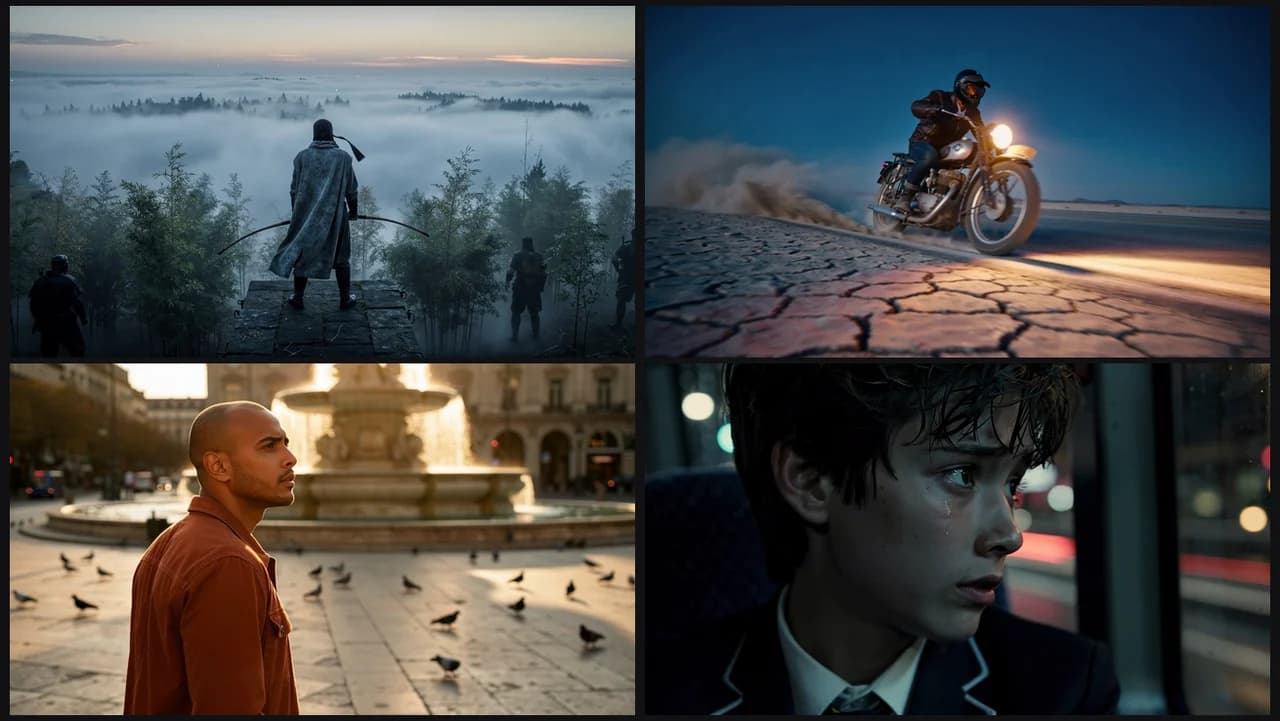
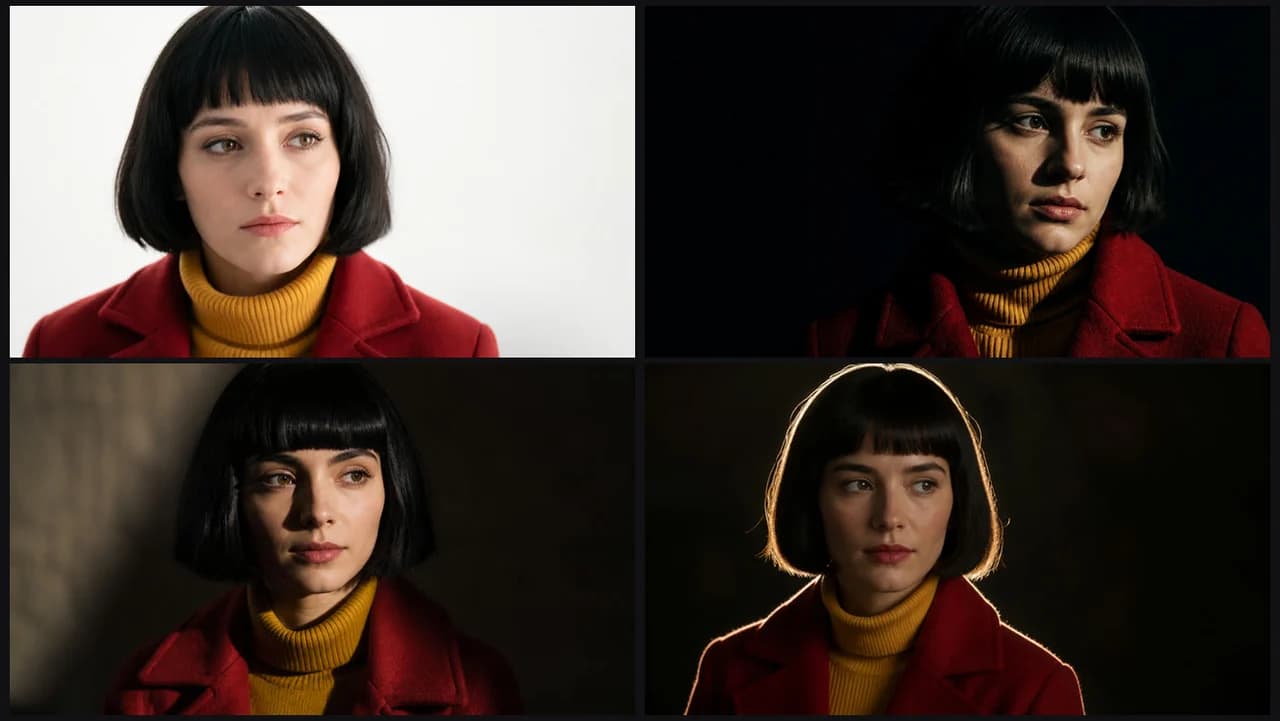
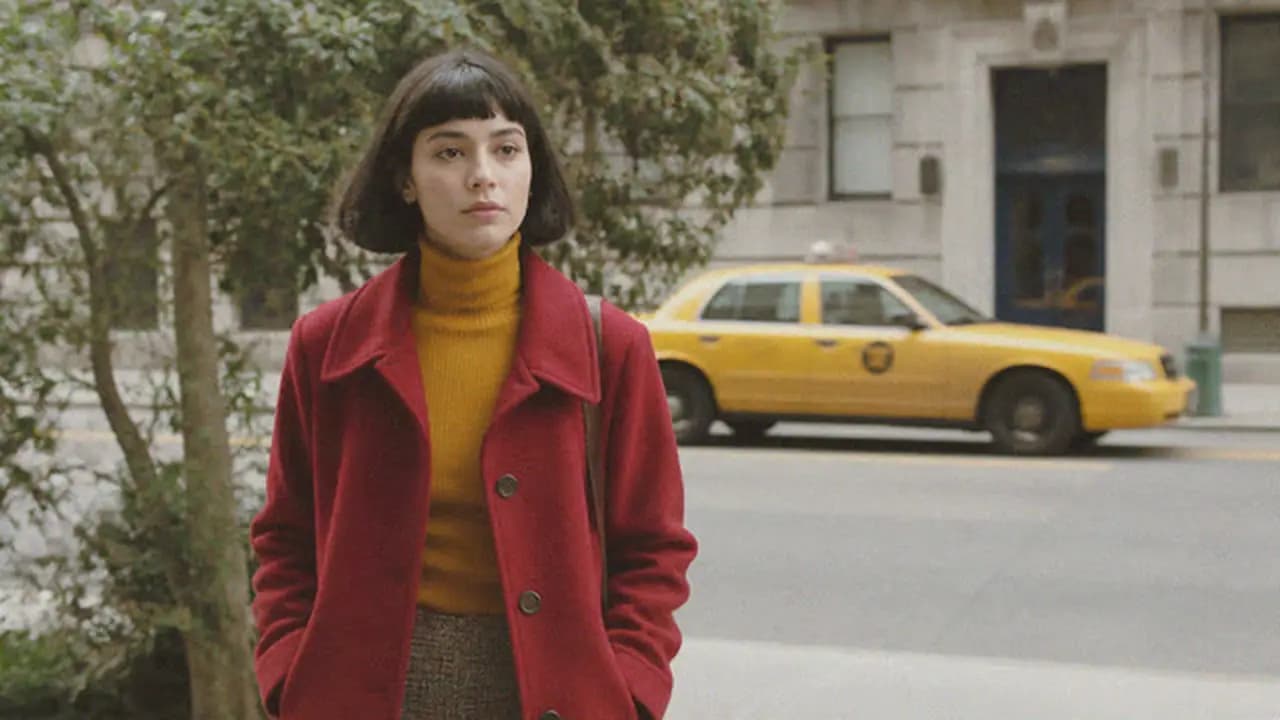
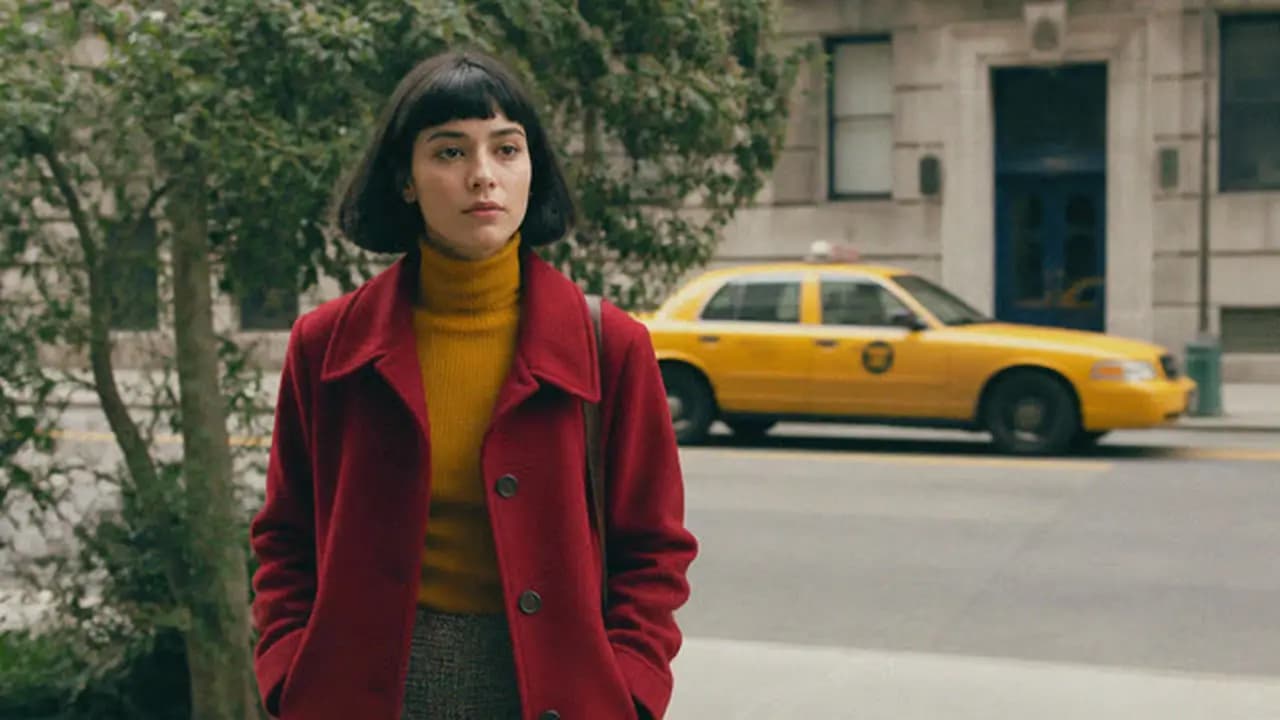
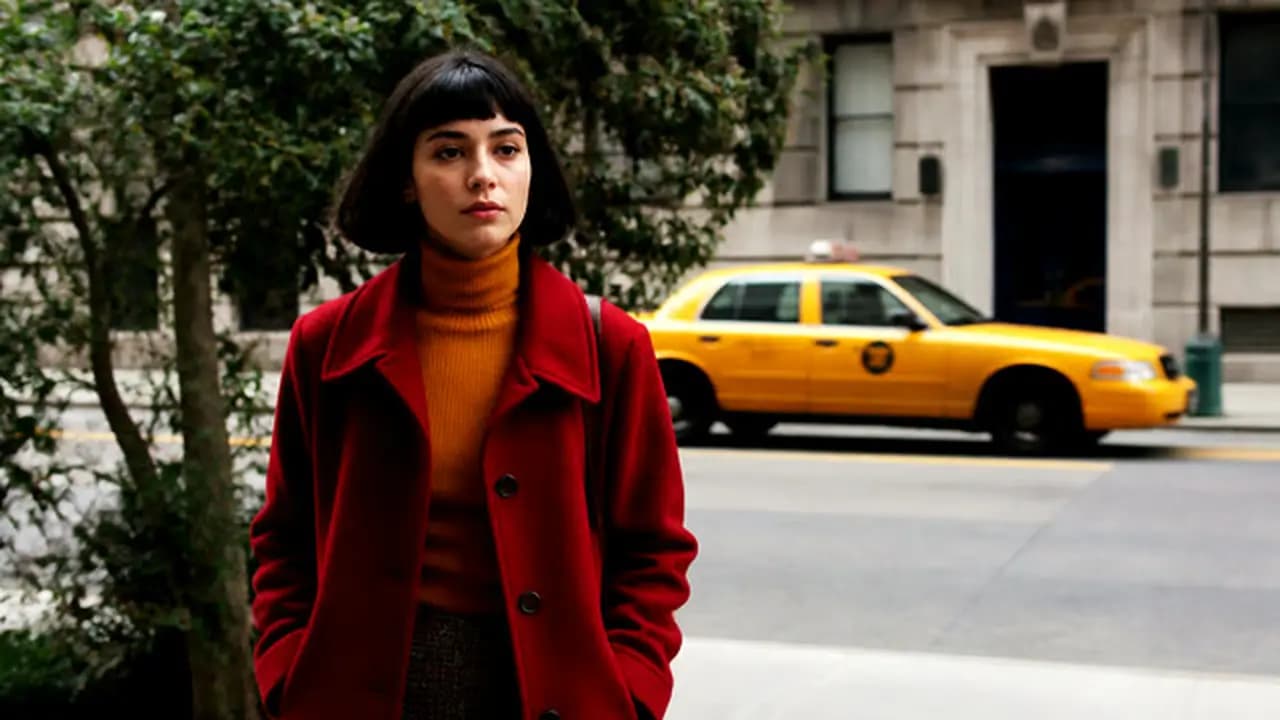
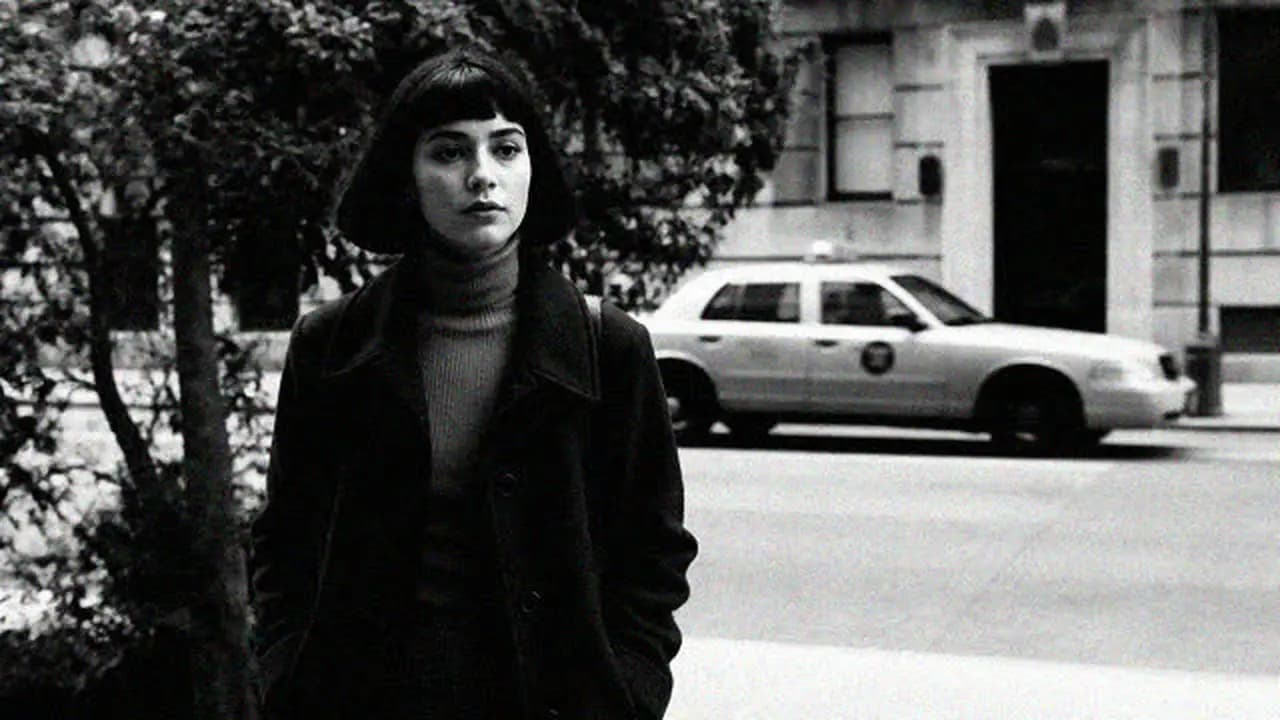
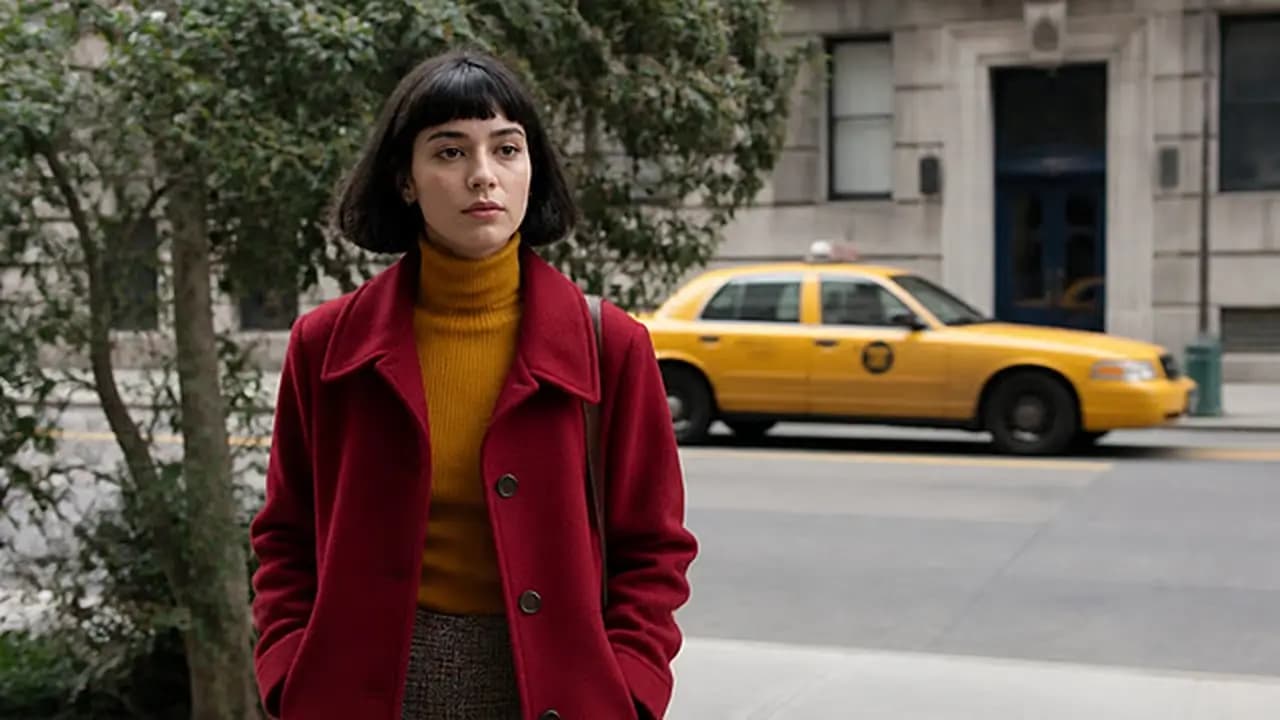
26 looks with previews: copy a style prompt, add your subject, run it in ReelMe.

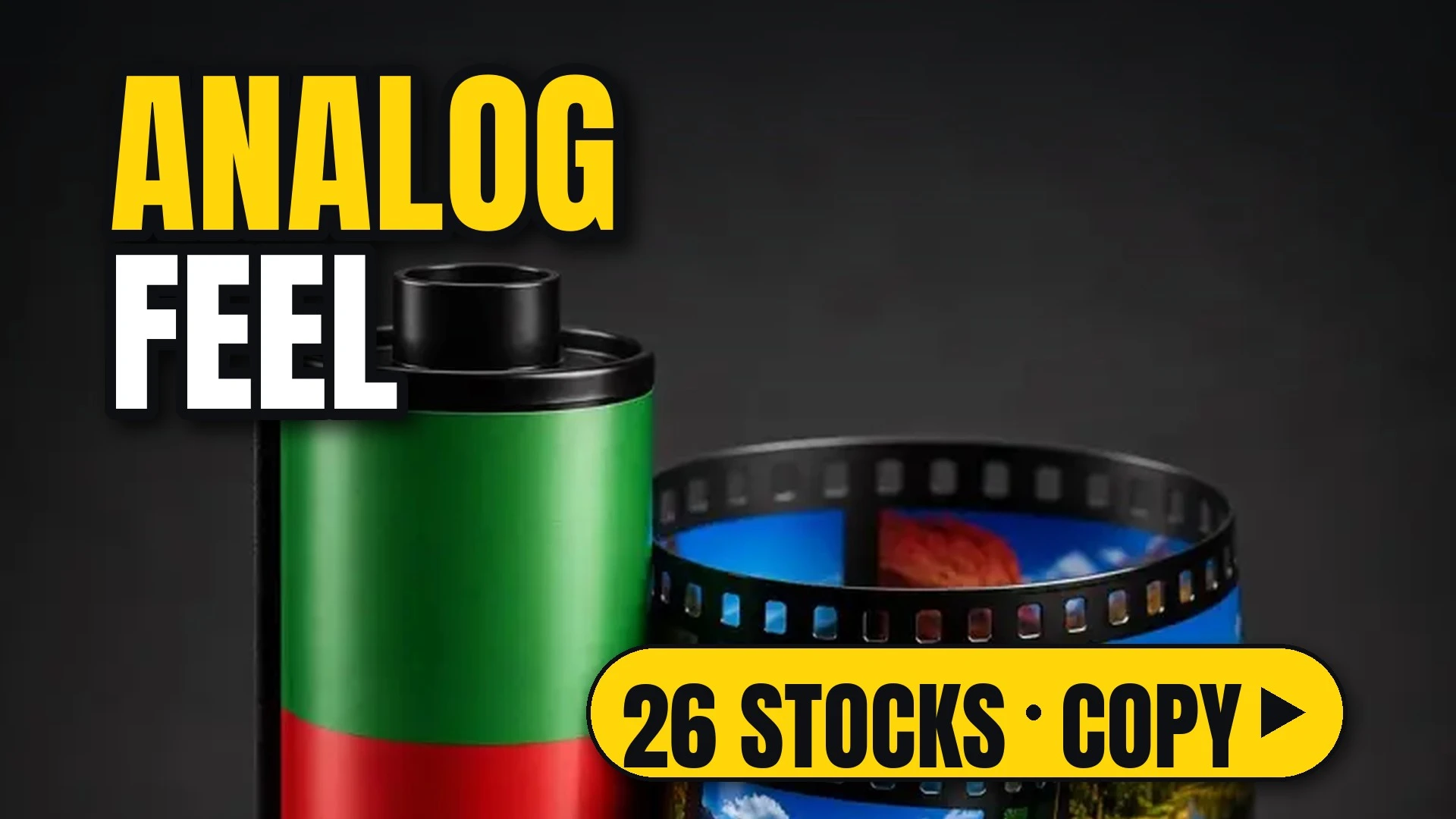
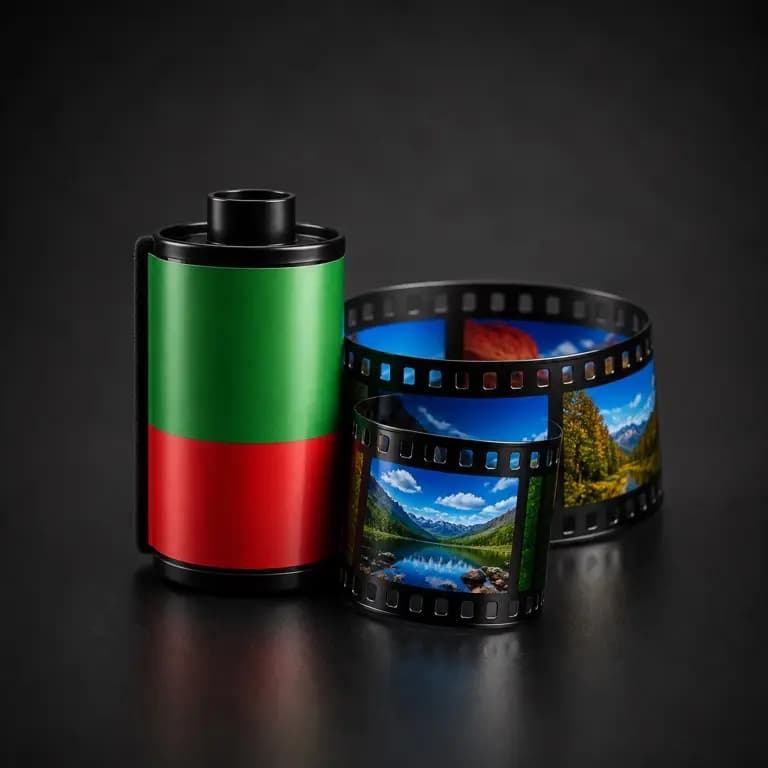
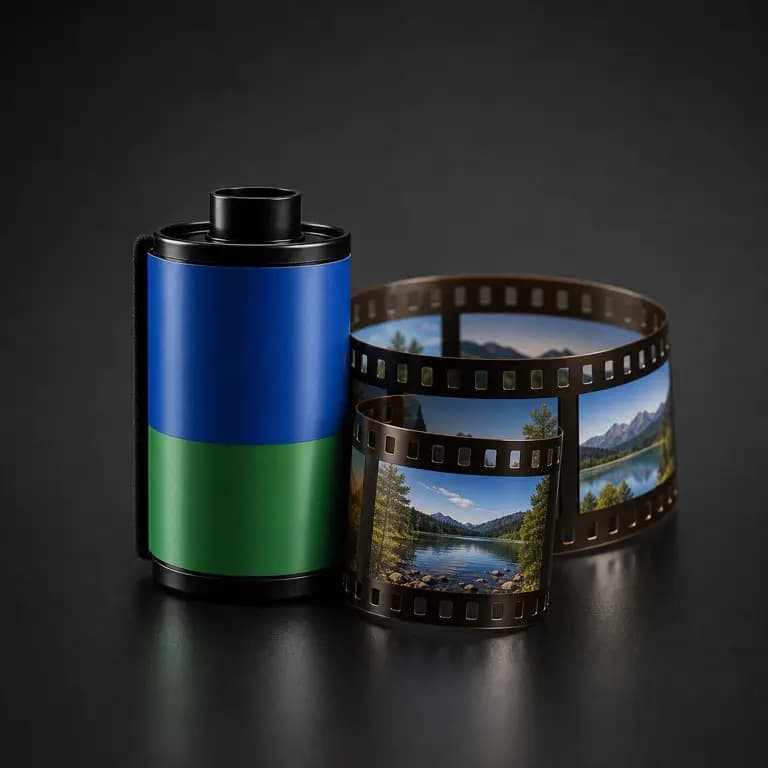
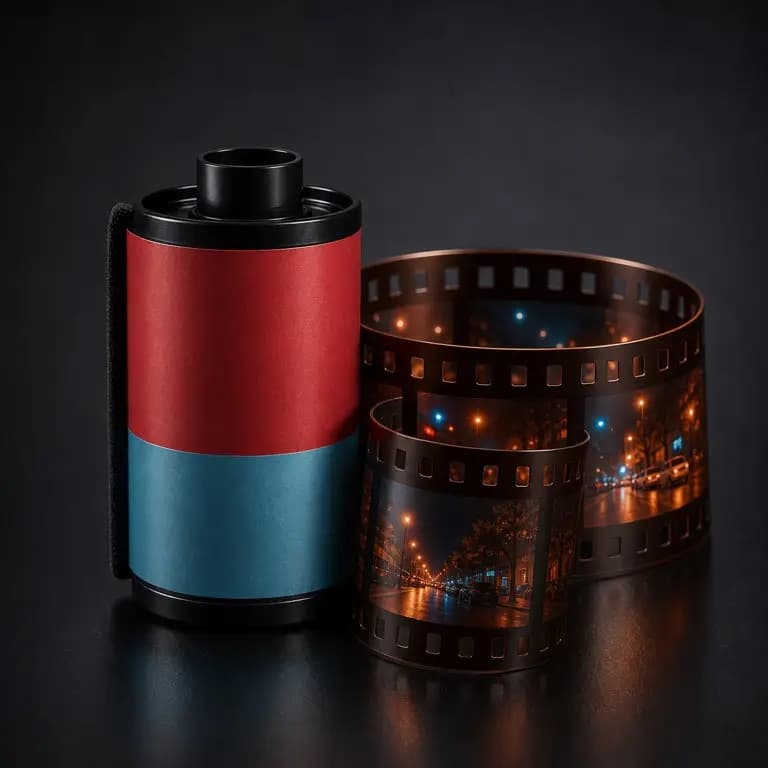
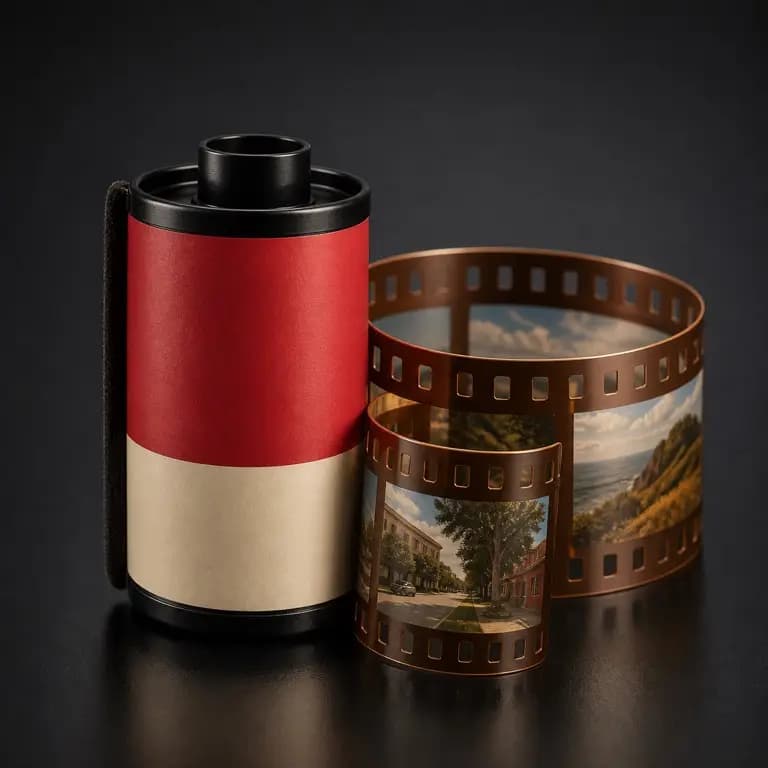
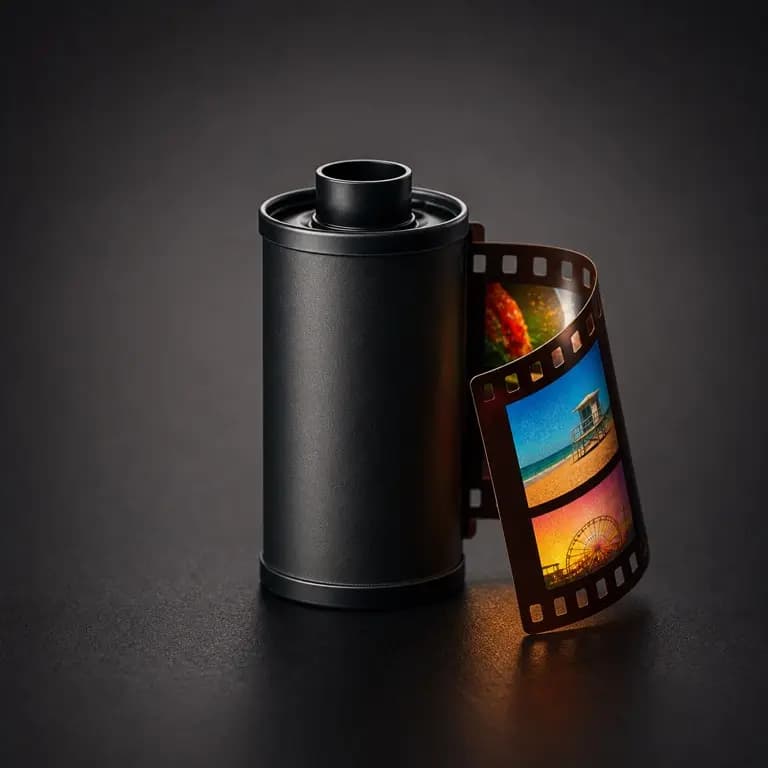
A red and green film canister beside a curl of film showing vivid landscapes

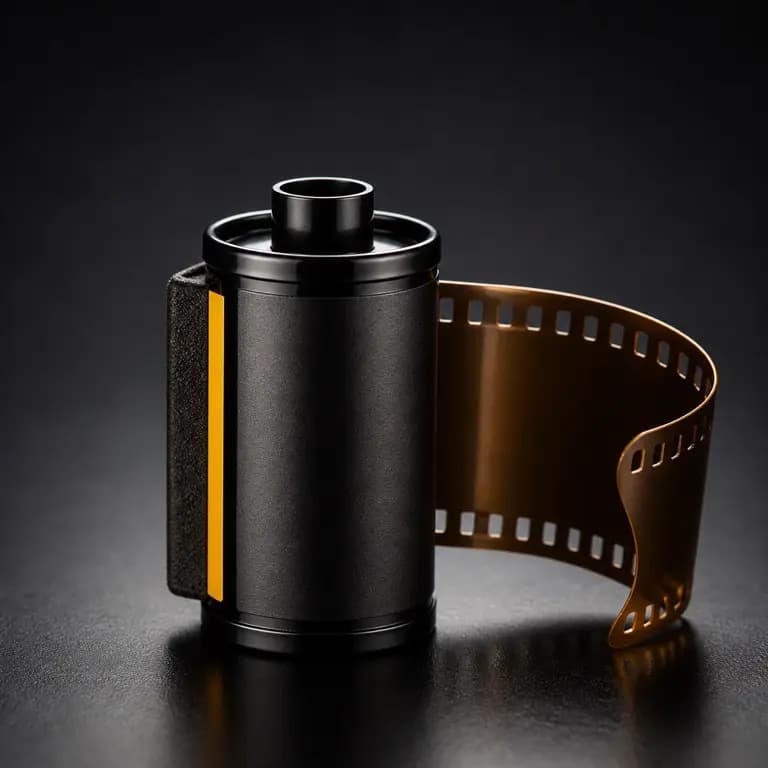
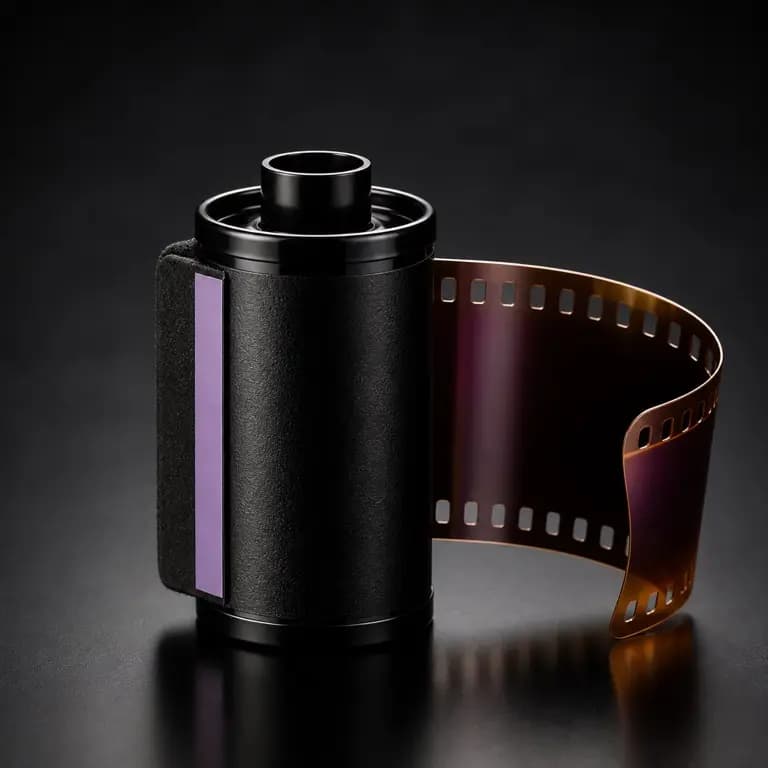
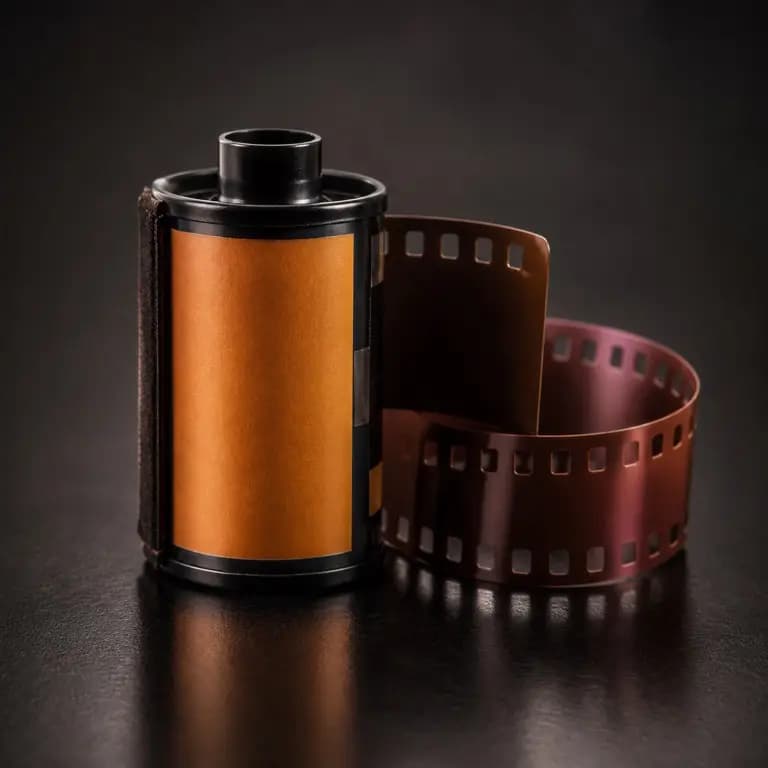
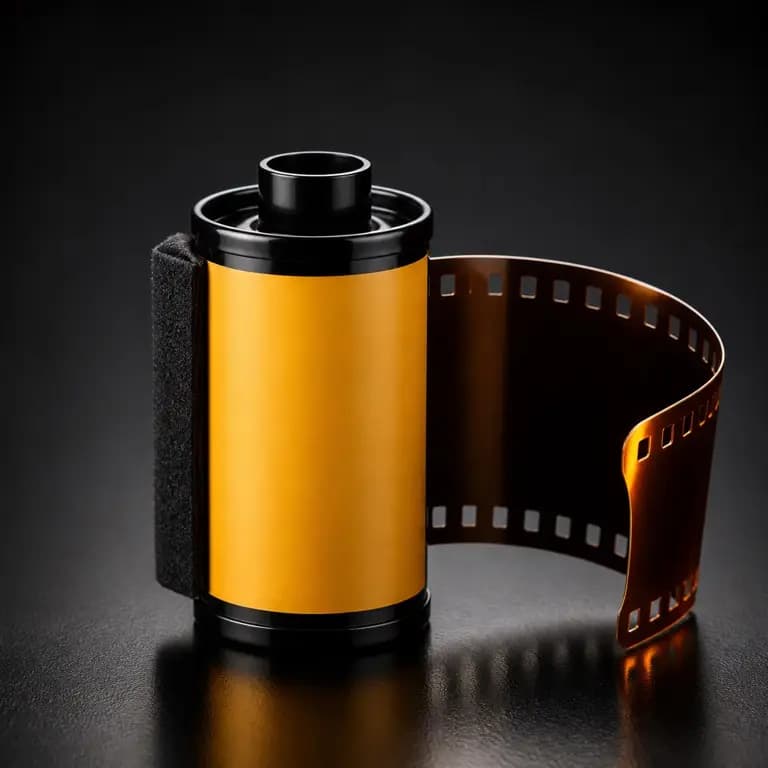
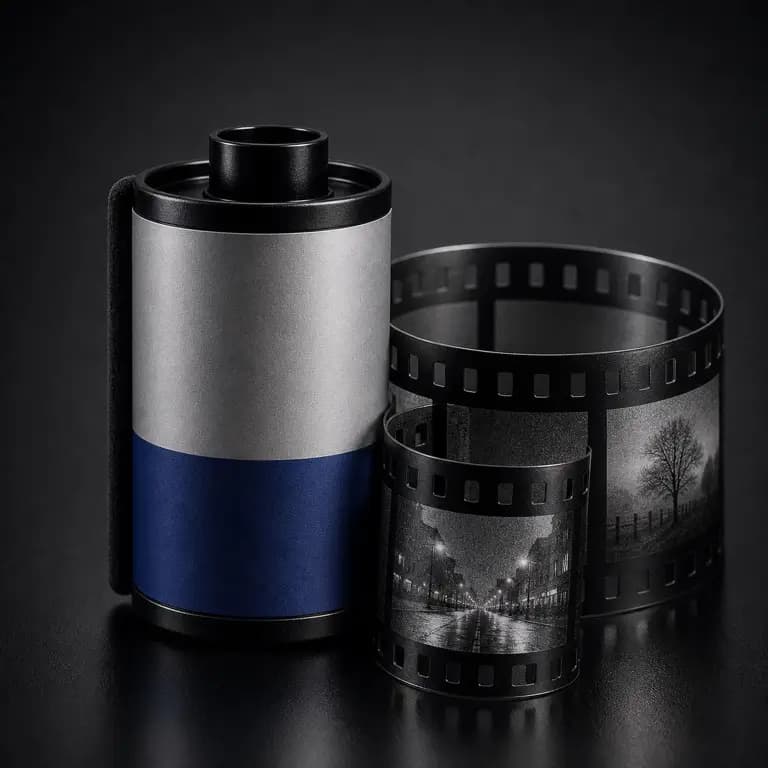
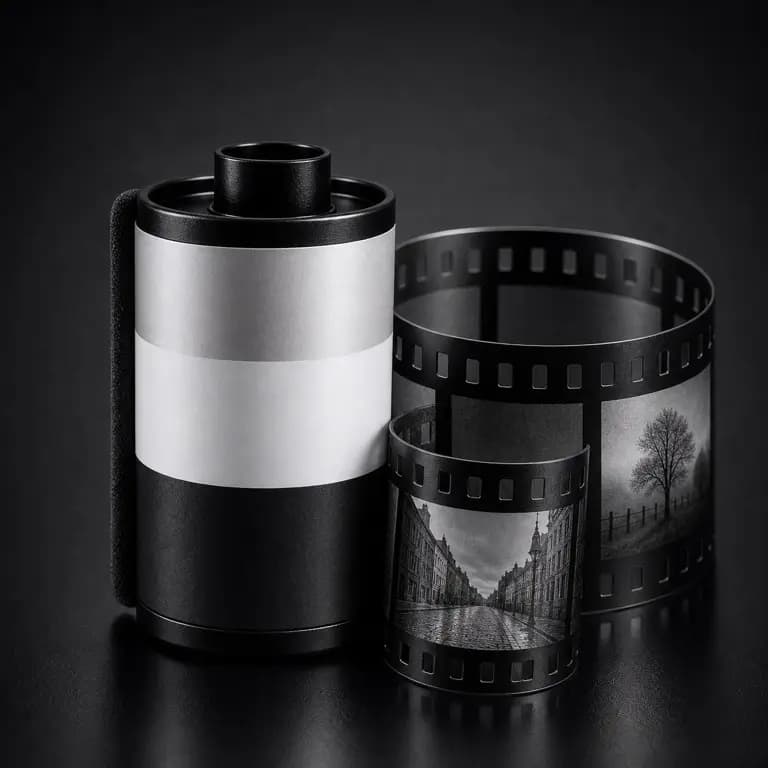
26 looks. Film stock textures: grain, halation and color of classic stocks.

How to use

Each look comes as a style prompt that starts with [your subject]. Replace it with what you are making (a perfume bottle on marble, a chef plating pasta, your character), keep the rest, and run it.

Make image or Make video opens ReelMe with the style prompt filled in. Pick a grade or a palette, not both. Try a stock on your own subject in ReelMe Image (reelme.ai/image?aspect=16:9).

26 prompts

  • Warm portrait filmWarm portrait filmImage

    [your subject], a warm fine-grain portrait film stock look: natural skin, soft pastel highlights, gentle contrast. Midtones lean slightly warm, highlights fade softly to cream, shadows stay open with a hint of warmth, saturation is moderate and grain is fine and even. NOT punchy saturated color.

  • Tungsten cinema filmTungsten cinema filmImage

    [your subject], a tungsten-balanced cinema film look: warm practicals against cool shadows, rich blacks, fine grain. Warm light sources glow orange while shadows fall toward blue-cyan, contrast is rich with soft highlight roll-off, and grain is fine and filmic. NOT neutral daylight balance.

  • Daylight cinema filmDaylight cinema filmImage

    [your subject], a daylight cinema film look: true greens and skin, soft highlight roll-off. Greens are lush and deep, highlights fade softly into a warm white, contrast is gentle and a fine grain is visible. NOT a stylized color cast.

  • Bright slide filmBright slide filmImage

    [your subject], a bright slide-film look: contrasty, clean saturated colour. Blues and reds are vivid, whites are clean and bright, blacks are firm, midtones are crisp and grain is very fine, like a projected transparency. NOT muted or faded color.

  • Grainy black & whiteGrainy black & whiteImage

    [your subject], a classic black-and-white film look: deep blacks, bright whites, fine visible grain. Shadows sit very dense and close to black, highlights stay crisp, and a tight grain is clearly visible in the midtones. NOT any color.

  • Clean digitalClean digitalImage

    [your subject], a clean modern digital look: neutral colour, crisp detail, no grain. White balance is neutral, edges are sharp, gradients are smooth, contrast is clean and shadows are free of noise. NOT film grain or color cast.

  • Fine daylight 50Fine daylight 50Image

    [your subject], fine grain daylight cinema film with exceptional sharpness and detail. Edges and fine textures are razor-crisp, grain is invisible, contrast is firm and colors are slightly cool and clean. NOT coarse grain.

  • Pastel portrait 160Pastel portrait 160Image

    [your subject], portrait film with ultra-fine grain and subtle pastel color palette. Skin stays natural, colors are only slightly desaturated, contrast is low and whites stay clean and neutral. NOT strong contrast.

  • Warm portrait 800Warm portrait 800Image

    [your subject], high speed portrait film with visible grain and warm tones. Skin stays warm and natural, grain is clearly visible in the midtones and shadows, contrast is moderate and highlights stay soft. NOT a clean grain-free surface.

  • Golden consumer 200Golden consumer 200Image

    [your subject], consumer film with warm golden tones and nostalgic quality. Yellows and oranges are boosted, highlights glow golden, shadows are slightly lifted and grain is moderate. NOT cool or clinical color.

  • Ultra-saturated 100Ultra-saturated 100Image

    [your subject], ultra-saturated colors, high contrast and fine grain color film. Reds and oranges lead with a slight warm cast, blacks are deep, highlights bright, and a fine grain stays visible. NOT pastel or muted color.

  • Classic B&W 400Classic B&W 400Image

    [your subject], black and white film with classic contrast and medium grain. Blacks are solid but not crushed, whites bright, midtones keep a full grey scale, and the grain is medium and evenly spread. NOT any color tint.

  • Fine-grain B&W 400Fine-grain B&W 400Image

    [your subject], black and white film with fine grain and smooth tonal range. Greys are neutral and smooth, contrast is moderate, and a fine grain is just visible in the midtones. NOT harsh contrast.

  • Soft pastel 400Soft pastel 400Image

    [your subject], film with soft pastel colors and smooth skin tones. Colors are strongly washed toward pastel with a faint pink-cream cast, highlights bloom slightly and grain is soft and visible. NOT deep saturated color.

  • Hyper-vivid 50Hyper-vivid 50Image

    [your subject], film with hyper-saturated colors and high contrast. Blues and greens turn electric, reds deep, blacks dense, and grain is nearly invisible, giving a glossy transparency feel. NOT natural, muted color.

  • Natural reversal 100Natural reversal 100Image

    [your subject], reversal film with natural colors and fine grain. Colors stay true to life with moderate saturation, the image has the clean clarity of a slide, blacks are firm and contrast is medium-high. NOT a warm or faded cast.

  • Green-shift 400Green-shift 400Image

    [your subject], consumer film with green-shifted tones and punchy colors. Midtones and shadows lean toward green, colors are punchy, contrast is moderate and grain is visible. NOT neutral color balance.

  • Subtle tungsten 500Subtle tungsten 500Image

    [your subject], cinema tungsten film with subtle colors and clean shadows. Warm sources stay gentle, shadows are clean and neutral-cool, saturation is restrained and grain is fine. NOT strong orange-teal contrast.

  • Deep-black B&W 100Deep-black B&W 100Image

    [your subject], black and white film with ultra-fine grain and deep blacks. Shadows go rich and dense, highlights stay clean, midtones are smooth and grain is nearly invisible. NOT grey, washed-out blacks.

  • Halation tungsten 800Halation tungsten 800Image

    [your subject], tungsten film with halation glow around highlights and cinematic color. Bright points bleed a red-orange glow into nearby areas, shadows lean cool, contrast is rich and grain is visible. NOT clean, glow-free highlights.

  • Balanced daylight 50Balanced daylight 50Image

    [your subject], daylight cinema film with fine grain and balanced color. Whites are strictly neutral, contrast is medium and flat enough to grade, sharpness is moderate and grain is fine. NOT a stylized tint.

  • Grainy B&W 3200Grainy B&W 3200Image

    [your subject], high speed black and white with heavy grain and high contrast. Grain is coarse and clearly visible, blacks are deep, whites hard, and midtones break into gritty texture. NOT smooth grey tones.

  • Chromogenic B&WChromogenic B&WImage

    [your subject], chromogenic black and white with smooth tones and C-41 processing. Greys are creamy with a very faint warm cast, there is no visible grain, contrast is low and highlights stay soft. NOT gritty grain.

  • Retro consumer 200Retro consumer 200Image

    [your subject], consumer film with distinctive color shifts and retro aesthetic. Colors drift warm in the highlights and slightly magenta in the shadows, contrast is moderate and grain is visible. NOT accurate neutral color.

  • Experimental 800Experimental 800Image

    [your subject], experimental film with unpredictable colors and artistic grain. Hues shift unexpectedly between areas of the frame, contrast varies from patch to patch, and the grain is heavy and irregular. NOT a clean, predictable grade.

  • Vintage B&W 400Vintage B&W 400Image

    [your subject], black and white film with vintage rendering and strong grain. Contrast is strong, blacks are slightly crushed, highlights soft, and grain is prominent across the frame. NOT a modern clean monochrome.

Make it in ReelMe

Comparing stocks? Put two image nodes with the same subject side by side in ReelMe Canvas. Pick one stock per film so the texture stays the same.

Nov 12, 2026

How it works

3 steps

  1. Pick a look

    Choose one of the 26 film looks and copy its prompt.

  2. Add your subject

    Replace [your subject] with what you are making; keep the rest.

  3. Run it in ReelMe

    Paste it into ReelMe Image at reelme.ai/image?aspect=16:9 and generate.

  • Look and feel

    Prompt library

    Color · Prompt library · from the ReelMe composer

    38 looks with previews: copy a style prompt, add your subject, run it in ReelMe.

    1. Pick a look: Choose one of the 38 full looks and copy its prompt.
    2. Add your subject: Replace [your subject] with what you are making; keep the rest.
    3. Run it in ReelMe: Paste it into ReelMe Image at reelme.ai/image?aspect=16:9 and generate.
  • Color · Prompt library · from the ReelMe composer

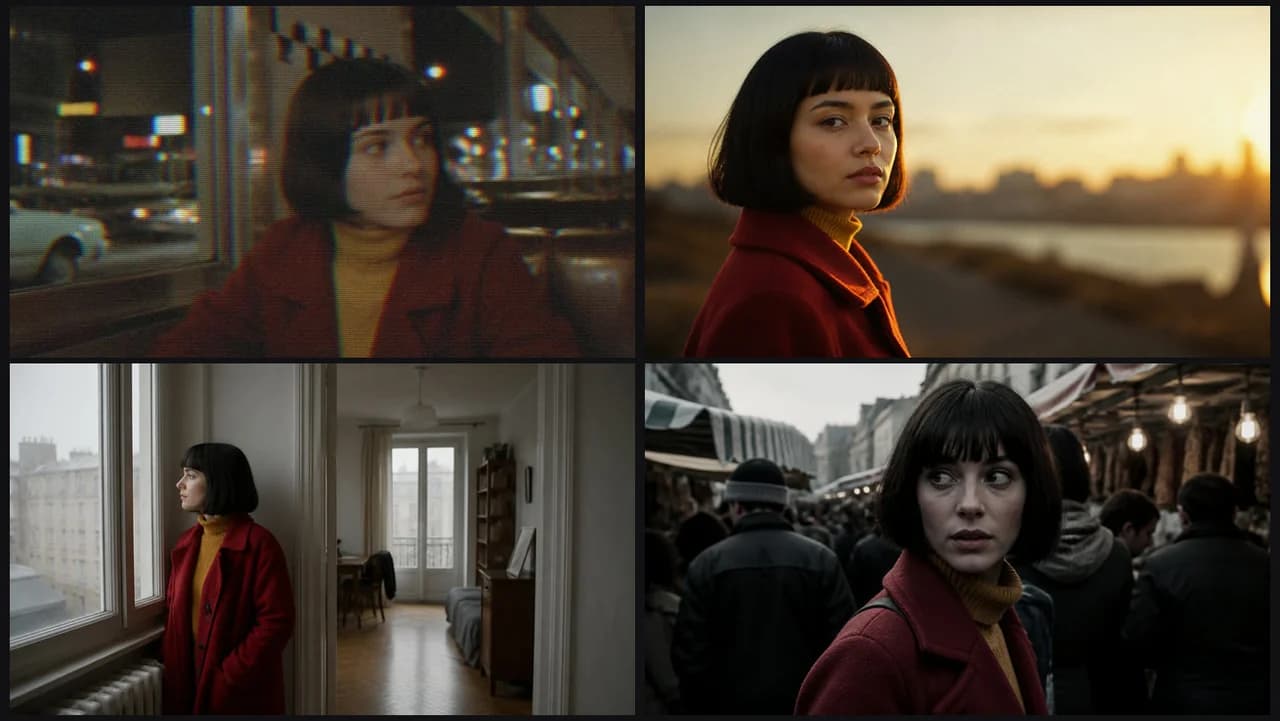
    46 color looks with previews: copy a style prompt, add your subject, run it in ReelMe.

    1. Pick a look: Choose one of the 46 color looks and copy its prompt.
    2. Add your subject: Replace [your subject] with what you are making; keep the rest.
    3. Run it in ReelMe: Paste it into ReelMe Image at reelme.ai/image?aspect=16:9 and generate.
  • Lighting · Prompt library · from the ReelMe composer

    38 looks with previews: copy a style prompt, add your subject, run it in ReelMe.

    1. Pick a look: Choose one of the 38 lighting looks and copy its prompt.
    2. Add your subject: Replace [your subject] with what you are making; keep the rest.
    3. Run it in ReelMe: Paste it into ReelMe Image at reelme.ai/image?aspect=16:9 and generate.

Want it step by step? From Zero to AI Creator